
The Graveyard of Good Ideas: How I Choose What Gets to Grow
Lilli • March 17, 2026
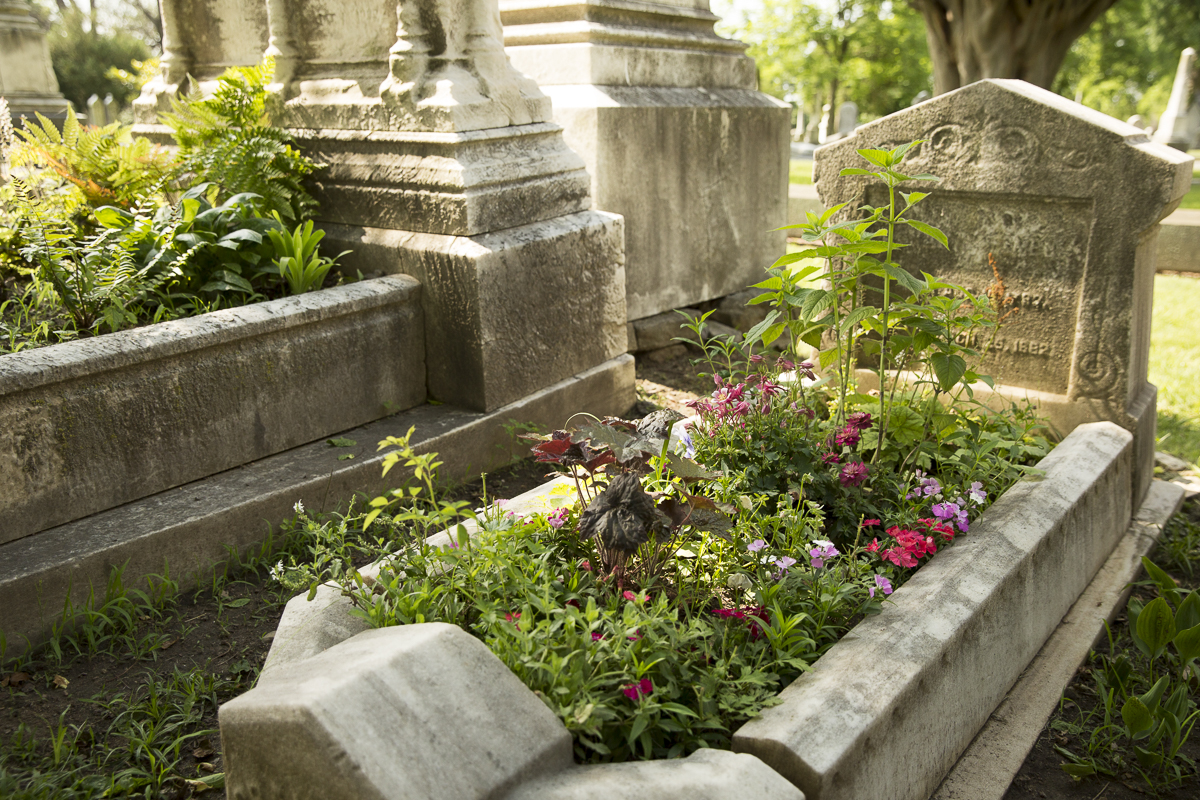
There's a specific heaviness that lives in unfinished things.
It's in the corner of your craft room where the macrame hangs incomplete. It's in the scattered sticky notes of ideas. It's in the repository that hasn't seen a commit since last year. We walk past these things every day, and they whisper the same question: "Why couldn't you finish?"
We are taught that projects have two states: Finished or Failed.
There is no in-between. No grace for the paused. No language for the incubating. If it's not complete, it's unfinished. If it's unfinished, it's proof—you're scattered. You're inconsistent. You don't follow through.
I used to call my unfinished work a graveyard. A collection of good ideas that didn't make it. Evidence of something broken in me.
But I've learned to look closer. What looks like a graveyard from the outside is often a seed bank on the inside.
Seeds don't fail because they haven't sprouted yet. They're waiting for the right season.
The Ecology of Pausing
In nature, growth is never constant. Trees enter dormancy to conserve energy, rivers slow to a trickle during drought, and seeds can lie waiting in the soil for decades before the conditions are right to sprout. This isn't death—it's the cycle of life.
My creative life works the same way.
Some projects aren't abandoned; they're simply paused, waiting for capacity to return or for the season to shift. When I was younger, I called this quitting. I wore it as proof of my inconsistency and shame. Now I recognize it as preservation.
Pushing a project when your energy is depleted doesn't show discipline. It shows disrespect for your own limits. Force doesn't create growth; it creates burnout. Sometimes the most intentional thing you can do is put something down and say, "Not now. But not never."

When the Door Has No Handle
Then there are the projects that feel stuck. Overwhelming. Like a door you can't find the handle for.
For years, I tried to force these open. I pushed through the resistance, convinced that grit was the only key. But often, a project isn't stuck because I'm lazy. Sometimes it truly is incubation, waiting for a specific insight—the right structure, the right function—that unlocks the whole thing.
But sometimes the door isn't locked. It's just heavy.
You know what the next step is. You know the path. But the weight of it feels immense when life is loud. There are so many other things demanding attention, and the fear creeps in: If I focus on this one thing, what falls behind? When you see your work as an ecosystem, prioritizing one root means another might go thirsty for a while. That trade-off can feel paralyzing.
This is where intention becomes a practice.
When the path feels overwhelming, I return to the beginning. I ask:
- Why did I start this project in the first place?
- What was the curiosity that sparked this?
- What value does bringing this into the world hold for me?
That original intention is the anchor. It doesn't remove the weight, but it gives you a reason to carry it.
Continuing isn't always about waiting for a spark. Sometimes it's about finding the courage to turn the handle even when your hands are full. It's okay to move slowly. It's okay to protect the time this needs. But don't confuse overwhelm with misalignment.
Sometimes the project is waiting for insight. And sometimes, it's just waiting for you to remember why it matters.
The Wisdom of Shedding and Sustaining
Some projects reach their natural end, and others become lifelong companions. Both are valid forms of growth.
You are not the same person who planted the seed. As you grow, your needs shift, your skills evolve, and your interests turn toward new light. Releasing a project because you've outgrown it isn't quitting. It's shedding. Like a snake slipping from its skin or a tree releasing leaves in autumn, it's proof you've expanded beyond the container you started in. Honoring that growth means letting go without shame.
And then there are the ones that stay. The quiet constants. They aren't always the loudest projects demanding sprints and deadlines. They're the things you touch regularly, even if only for ten minutes. The blog post drafted over years. The craft worked on while watching TV. The code refactored in small commits. These projects don't demand intensity. They ask for presence. They survive not because of bursts of energy, but because of consistent, small returns.
Whether you shed them or sustain them, you are tending the garden.

Trusting Your Rhythm
For those of us with ADHD/AuDHD brains, this spectrum is vital. We don't operate on linear time. We operate on energy cycles.
Some days we have the capacity for deep, focused building. Some days we only have enough energy to water the plants. Some days we need to let the soil rest entirely.
None of these states are failures. They are seasons.
So when you look at your own list of unfinished things, try to see it differently.
- What is dormant, waiting for winter to pass?
- What is incubating, waiting for the right key?
- What have you outgrown, ready to be shed with gratitude?
- What is continuous, asking only for small, steady care?
You don't need to finish everything. You don't need to kill everything. You just need to learn to read the season you're in.
Your projects aren't a graveyard. They're an ecosystem. And you are the gardener who knows when to water, when to wait, and when to let the soil rest.
Let's Get to Work
Growth is rarely a straight line, and neither is completion. Sometimes the soil is poor, and sometimes you realize an idea was planted in the wrong season. That's okay. You can compost it. You can pause it. You can try again.
Don't force growth where there isn't life. Let your discernment expand your capacity. You belong in the garden.
🌱 Over to You: Which season is most of your work in right now—Dormant, Incubating, Outgrown, or Continuous? Share where you're at in the comments. No judgment, just observation.
Comments
No comments yet. Be the first to share your thoughts!